From Jet-A + SAF and T+W
to 13 fuels and four aircraft configurations.
TASOPT (Transport Aircraft System OPTimization) is a physics-based tool for sizing and optimizing transport aircraft. In its current form, it models one fuel — Jet-A, and by extension SAF, which shares its properties — carried in one airframe family, the conventional tube-and-wing aircraft. This project uses an AI coding agent to extend TASOPT along two coupled dimensions, fuel chemistry and airframe geometry, so the tool can evaluate thirteen candidate fuels across four aircraft configurations, and quantify how each fuel reshapes the aircraft required to carry it.
TASOPT's current scope
TASOPT's default assumptions include a cylindrical fuselage, a swept wing, and a fuel that behaves like Jet-A — an ambient-temperature liquid with well-characterized density and energy content. That covers most of today's fleet, but breaks down for hydrogen, which must be stored cryogenically, and for lower-energy-density liquids that no longer fit a wing tank sized for kerosene.
TASOPT's current scope → the target design space (drag your eyes around the rings)
Thirteen fuels, one reference
Jet-A remains the reference case, with SAF included as a chemically identical drop-in alternative. Alongside them sit two further groups of candidate fuel, each stressing a different assumption in TASOPT's current fuel model.
Jet-A and SAF
Jet-A as the reference, and SAF as its drop-in analog — nearly identical energy density and handling. This pair anchors every comparison and lets the fuel-property interface be validated against the case TASOPT already handles correctly.
Cryogenic fuels
Hydrogen, methane, ethane, and ethylene, modeled here in both fossil and renewable forms. These must be stored as cryogenic liquids, and hydrogen in particular carries far more energy per unit mass than Jet-A but far less per unit volume — insulated tanks compete directly with the fuselage for space.
Hydrocarbon and alcohol liquids
Butane, butylene, methanol, ethanol, butanol, DME, and dibutyl ether — handled as ambient or lightly pressurized liquids, not cryogenics. All of them carry less energy per unit volume than Jet-A, which alone drives larger tanks; several (methanol especially) carry less energy per unit mass as well.
Fuel property landscape
Select which properties to compare on each axis — energy density, well-to-wake emissions, cost per unit energy, or market scale — to see how the thirteen fuels trade off against one another.
Four configurations, spanning regional to ultra-widebody
Different fuels reward different fuselage shapes — a cryogenic tank needs volume, not a slender tube. So the airframe library is expanded alongside the fuel library, and the two are crossed against aircraft size class.
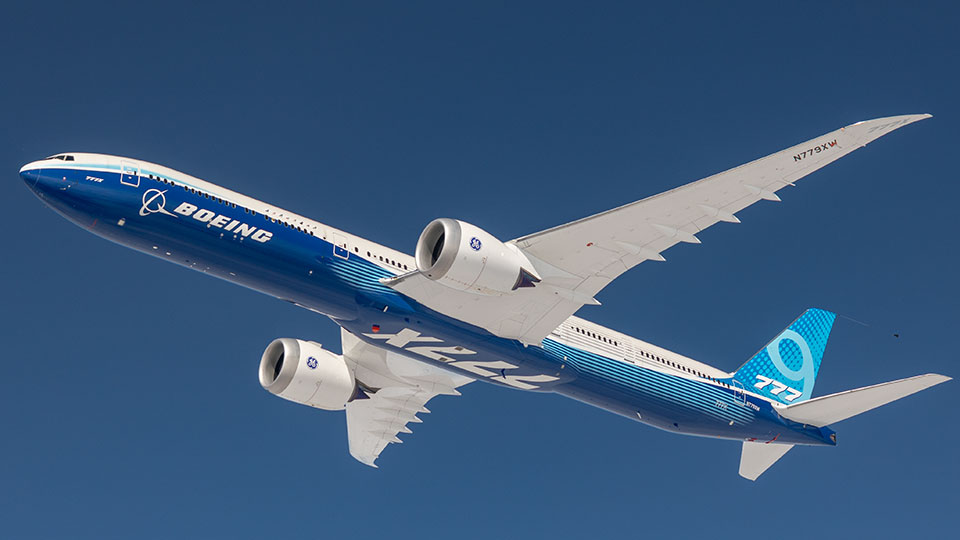
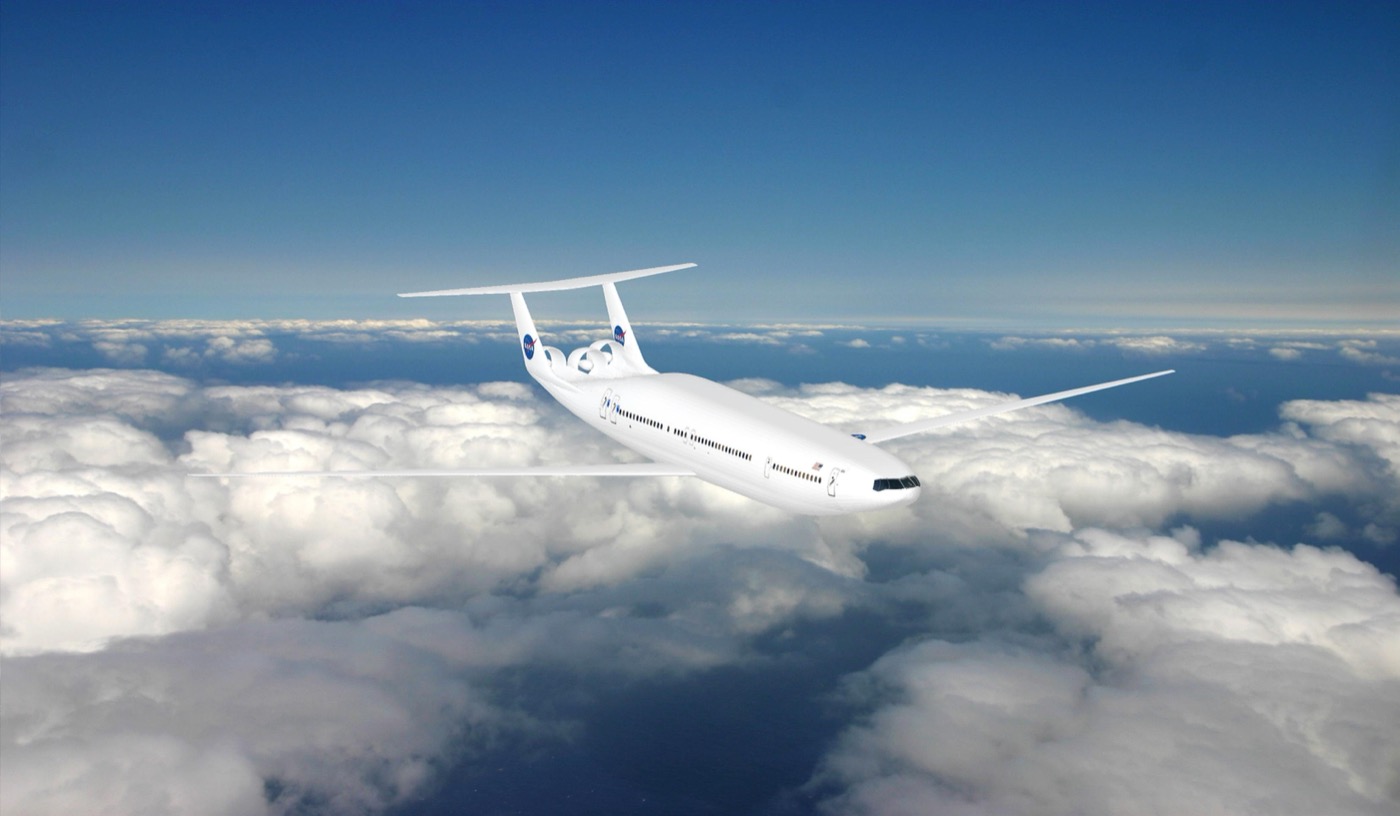
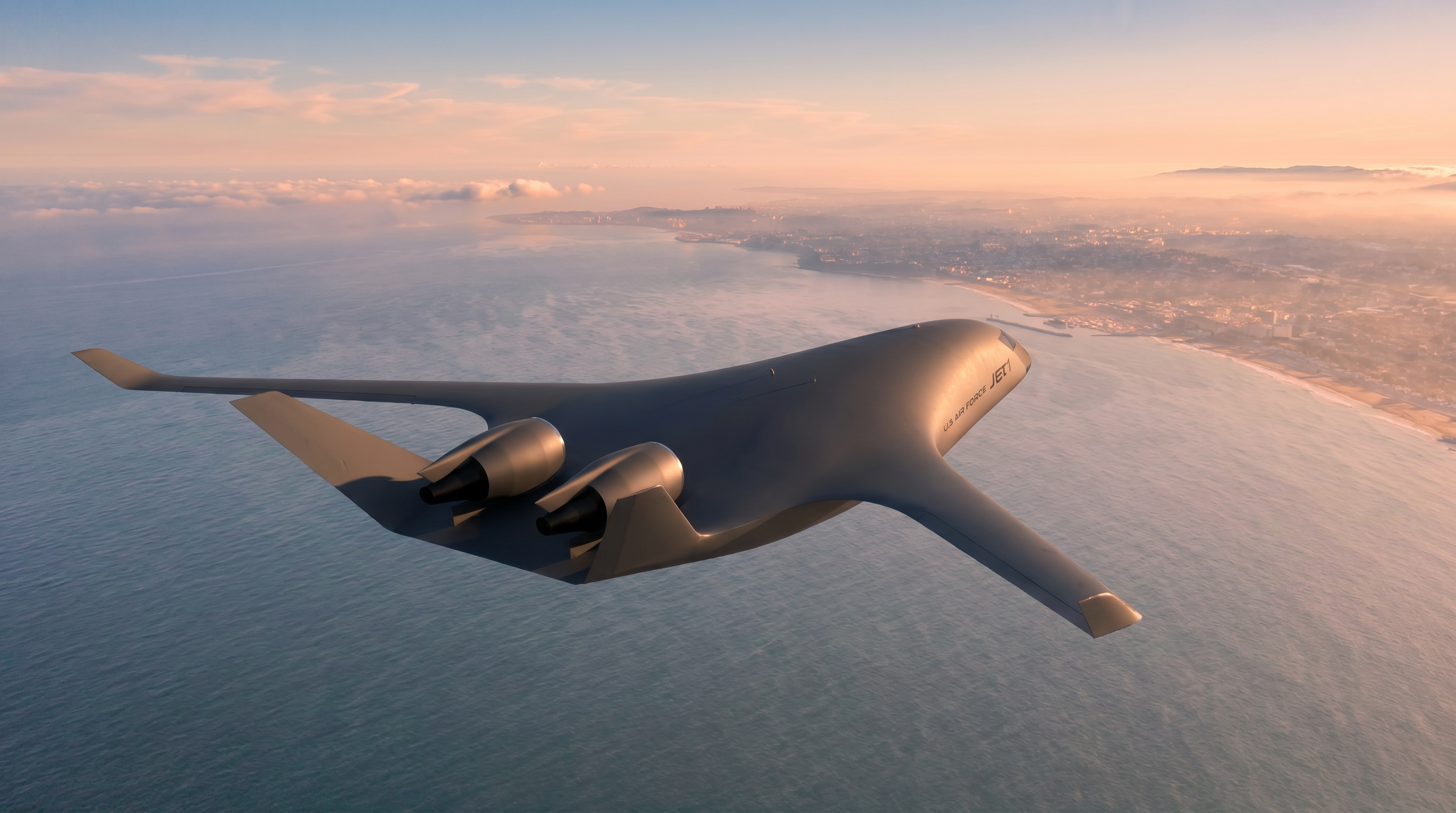
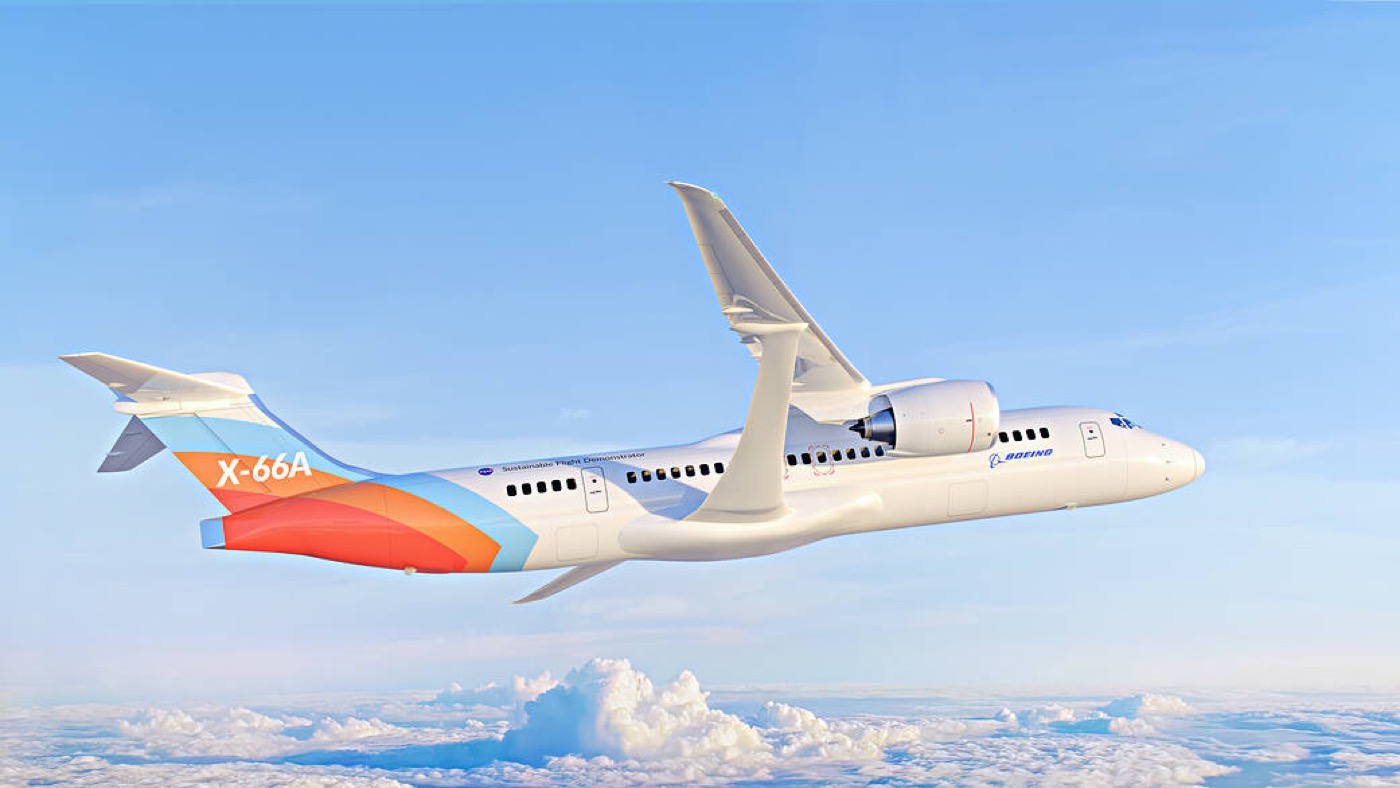
Tube & Wing is TASOPT's existing baseline; D8, Blended Wing Body, and Truss-Braced Wing are the three configurations this project adds. The matrix below crosses all four against four size classes, from regional to ultra-widebody.
Why an AI coding agent, specifically
TASOPT's subsystems — aerodynamics, structures, propulsion, weight, mission — are tightly coupled, so a change to one (say, tank geometry) has to be propagated correctly through every other subsystem that depends on it. Doing that by hand across 13 fuels and 4 airframe families is slow, and easy to get subtly wrong when no single person holds every dependency in view.
An AI coding agent can hold and search the whole codebase at once, tracing how an assumption ripples across modules and flagging every place it needs to be updated — keeping the physics internally consistent as the code grows. The agent proposes and implements those coupled changes; a human reviews every derivation and every resulting line of code before it is trusted.
1. Fuel property layer
Generalize the fuel model — energy density, density vs. temperature, storage phase, boil-off — so these are parameters read from a table, not values hard-coded to Jet-A.
2. Airframe geometry layer
Add D8, Blended Wing Body, and Truss-Braced Wing geometry and weight modules alongside the existing tube-and-wing model, and make sure each one's assumptions stay consistent with the rest of the codebase.
3. Coupled optimization
Let the optimizer re-balance wing loading, tank placement, and mission profile for every fuel × configuration × size combination, with subsystem interactions checked automatically rather than by hand.
Checking the model against known results
Each new fuel or airframe module is checked in two ways before it is trusted. First, against published data: where a concept aircraft has documented weight, geometry, or fuel-burn numbers (the D8, JetZero's Blended Wing Body, or the X-66A Truss-Braced Wing, for example), the model's output is compared to those public figures. Second, against internal consistency: a change to one subsystem — a new tank model, say — must not silently change the answer TASOPT already gives for the Jet-A, tube-and-wing case it was validated on originally. Both checks are run every time the agent proposes a change, not just at the end of the project.
From pre-screening to system impact
The work so far has been high-level system screening of alternative fuels — identifying which ones are worth a deeper, aircraft-coupled look. This project is the next step: a tool capable of modeling the two-way coupling between fuel choice and aircraft design, so we can quantify the total system impact of switching fuels — not only at the fuel tank, but across the whole airplane, and downstream in fleet-level fuel burn and emissions.