Aircraft
Lightning Zoning
with AI agents
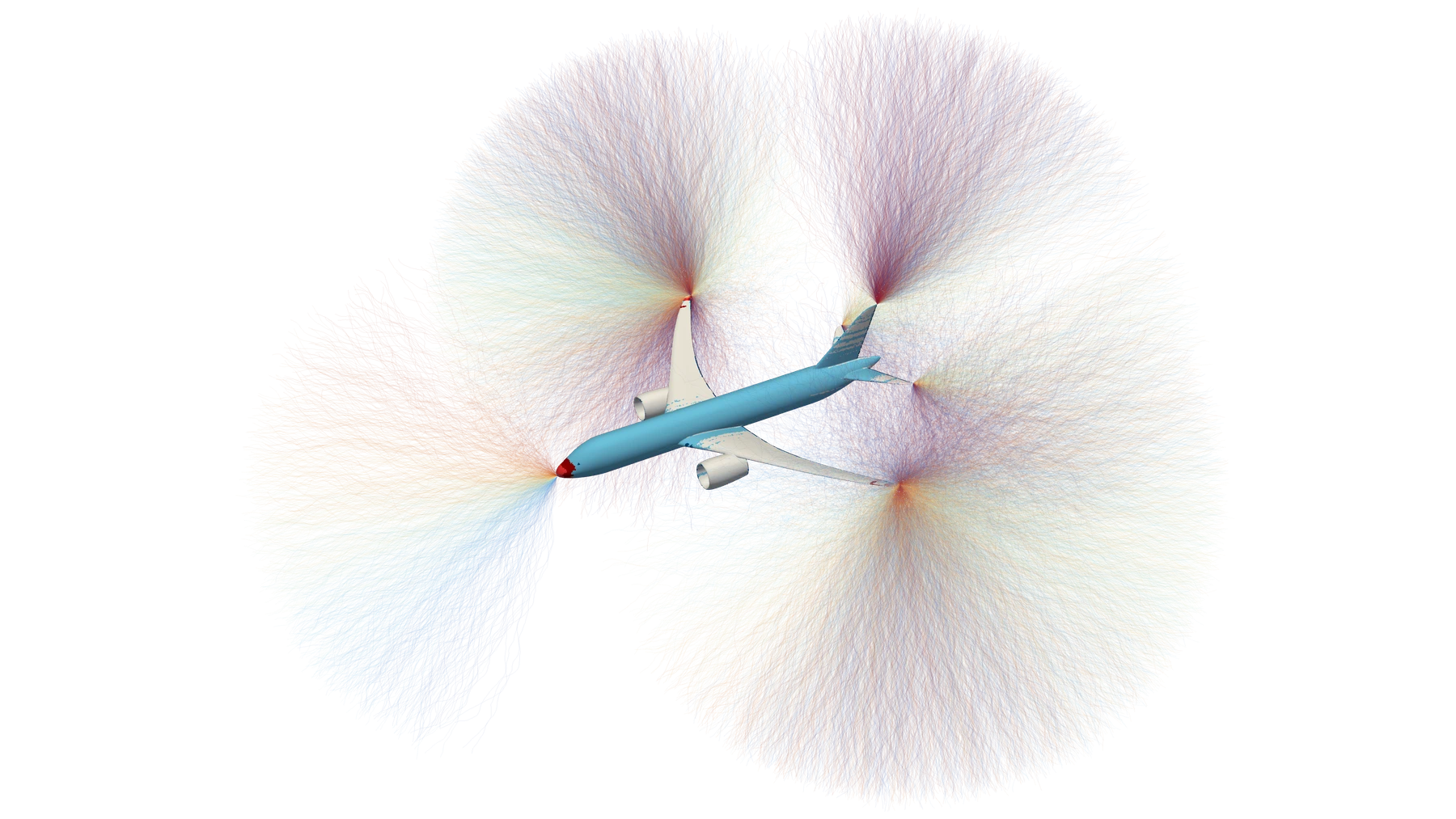
Lightning arc ensemble radiating from a transport aircraft, generated by the zoning simulation.

Where does lightning attach—
and where does it go next?
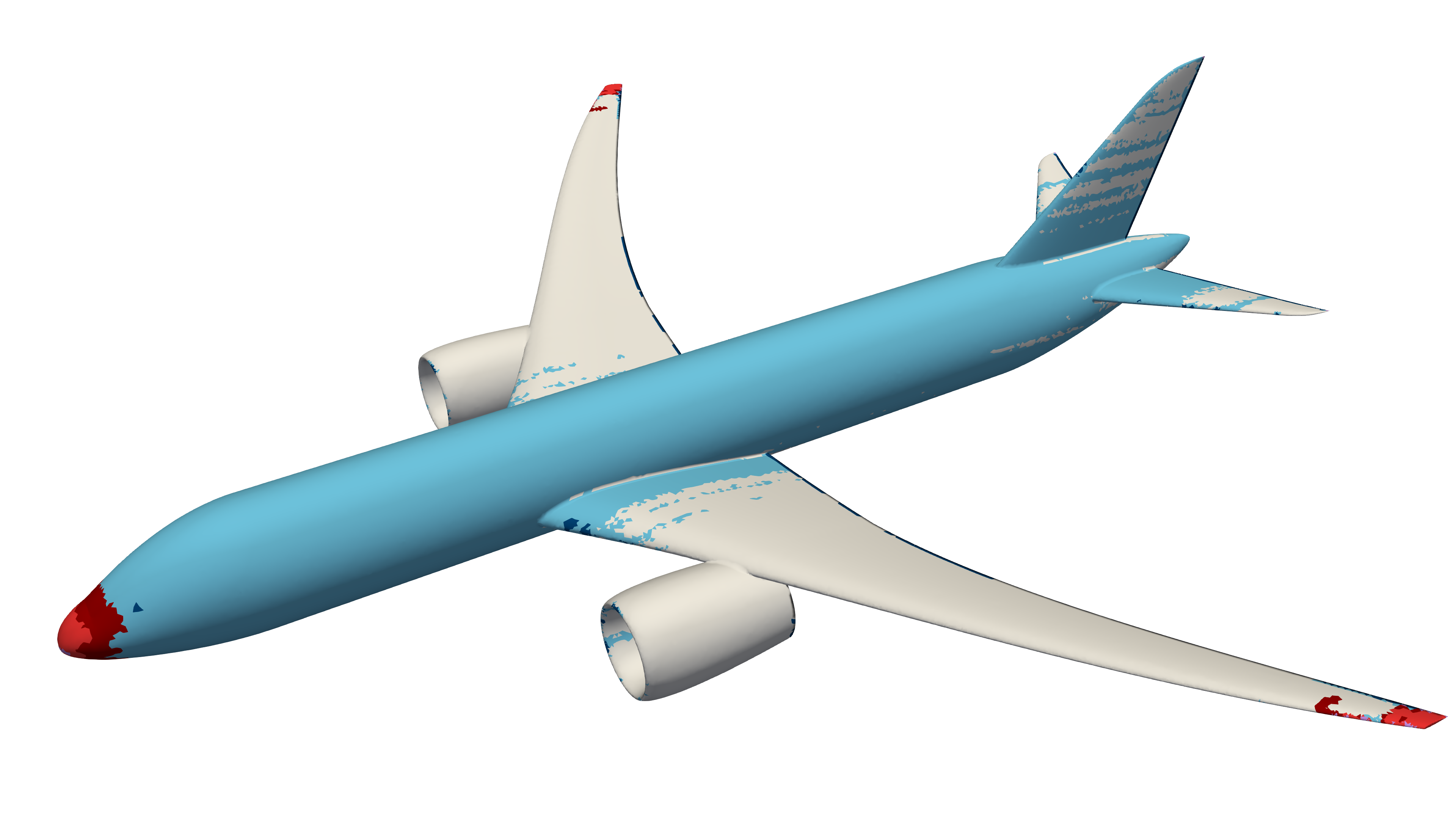
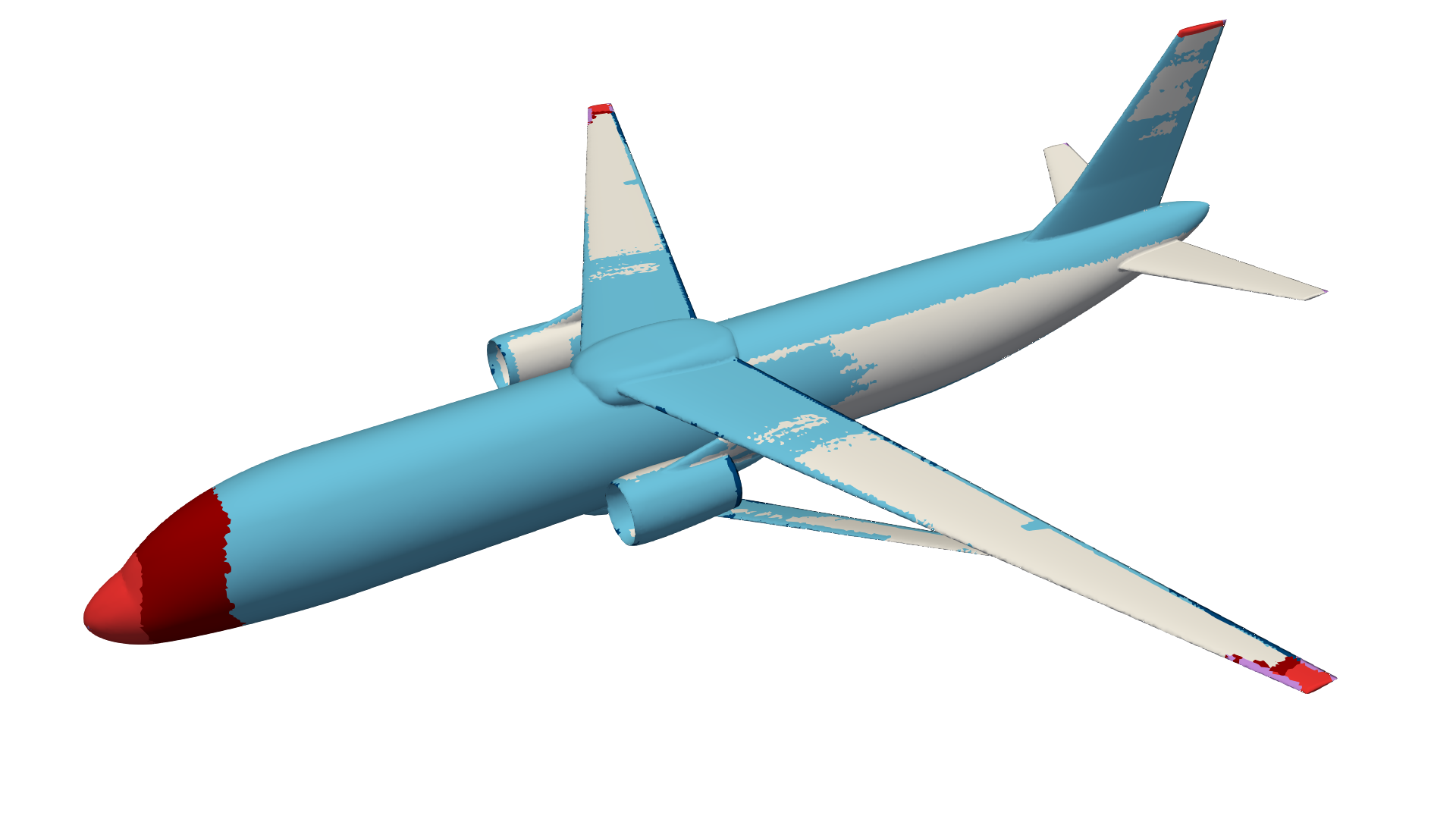
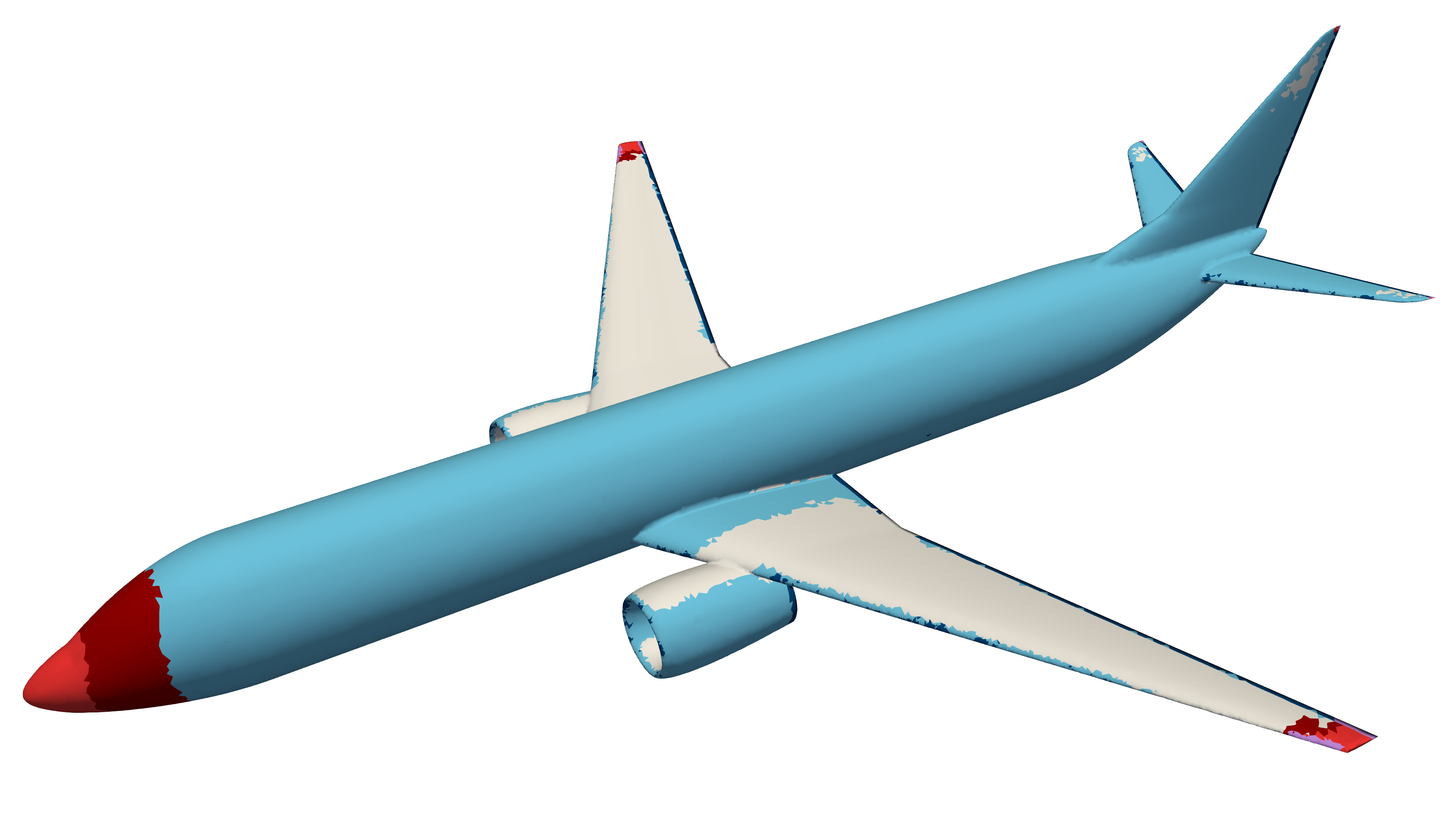
Mid-size transport aircraft surface zoning diagram.
Key to the surface zoning colors.

From literature to working software

Early October

Framework spike

Benchmark candidates.
Select Python + Warp.

13–20 October

Build the pipeline

Late Oct–November

Run and refine

Profile GPU execution.
Debug with real data.
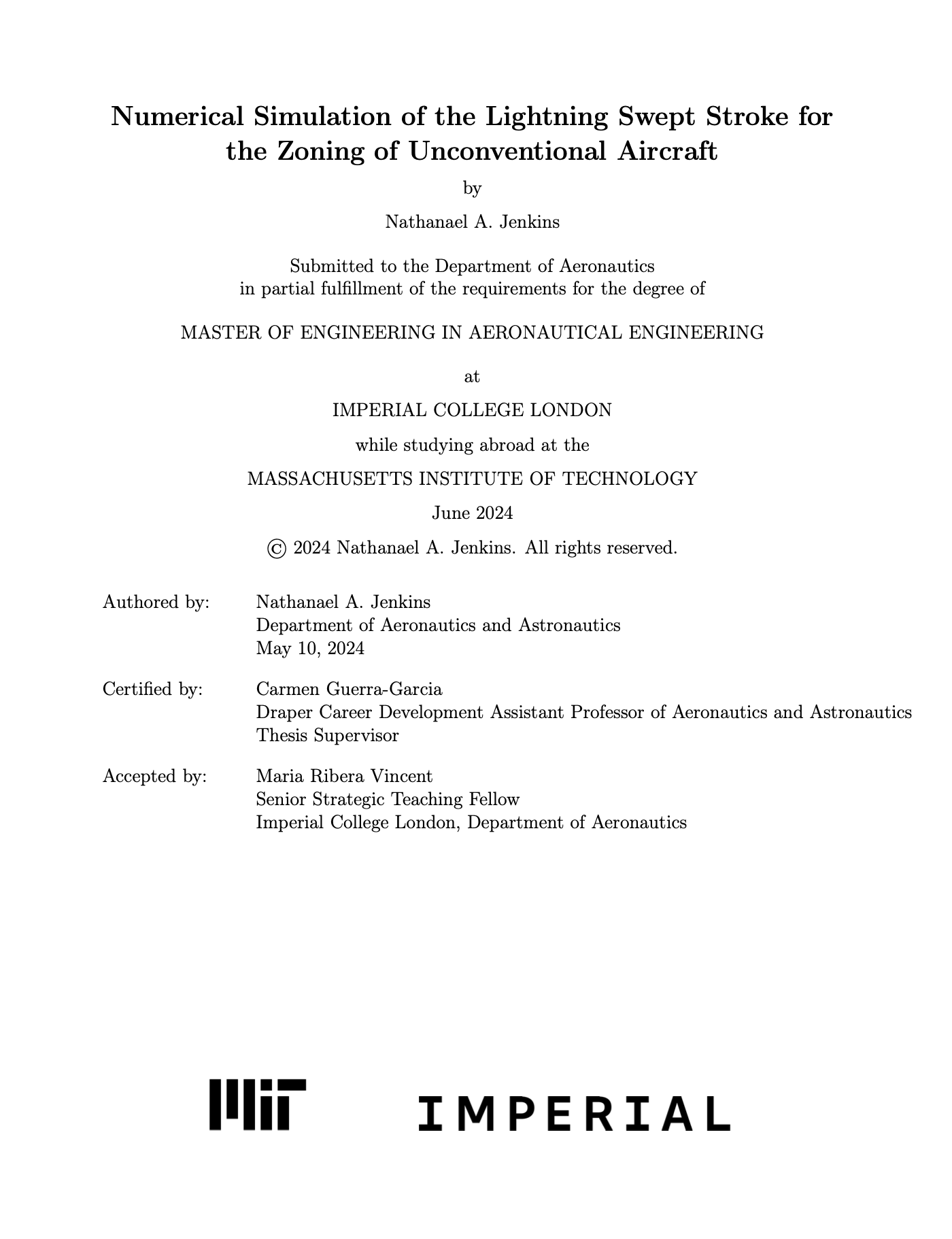
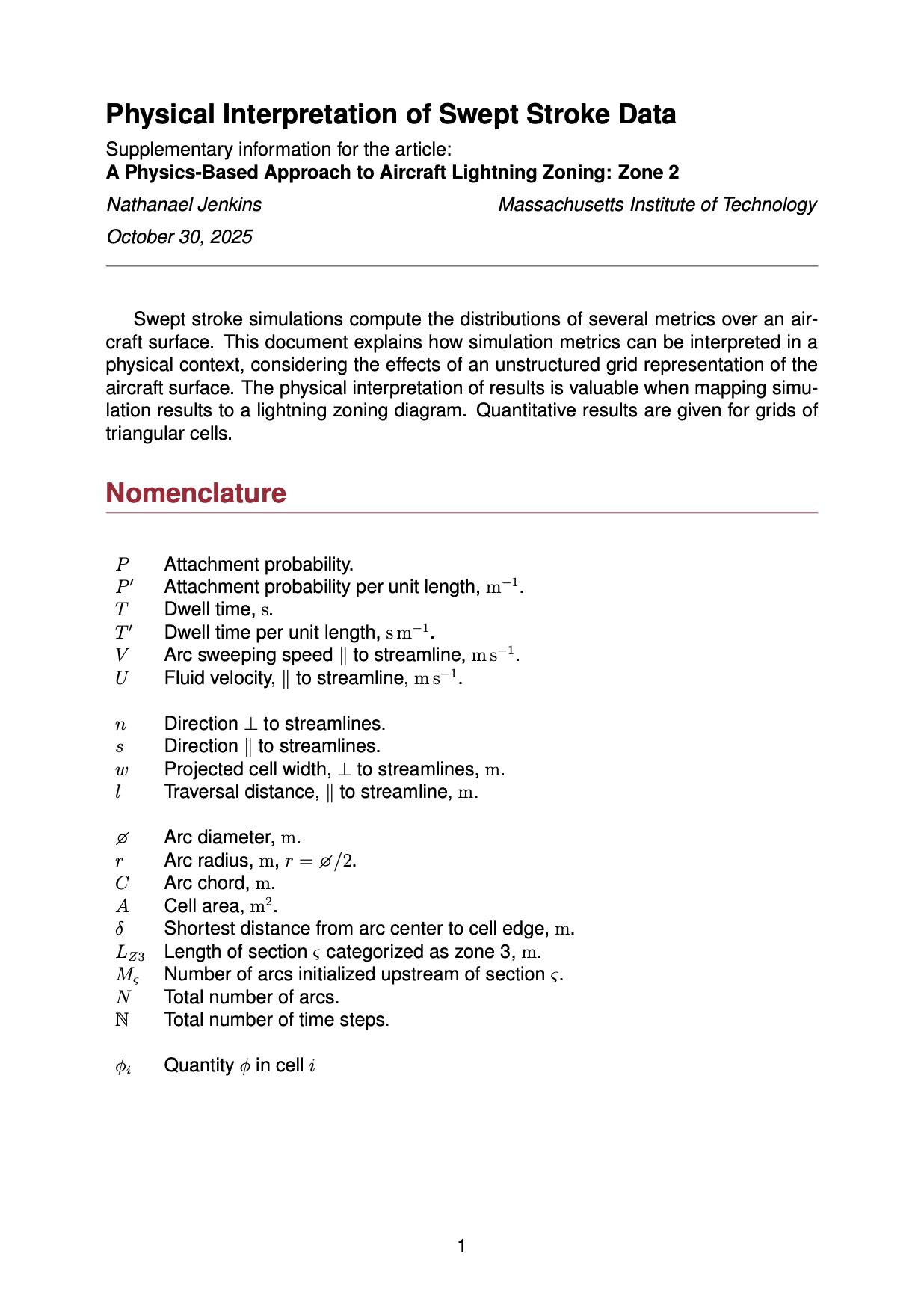
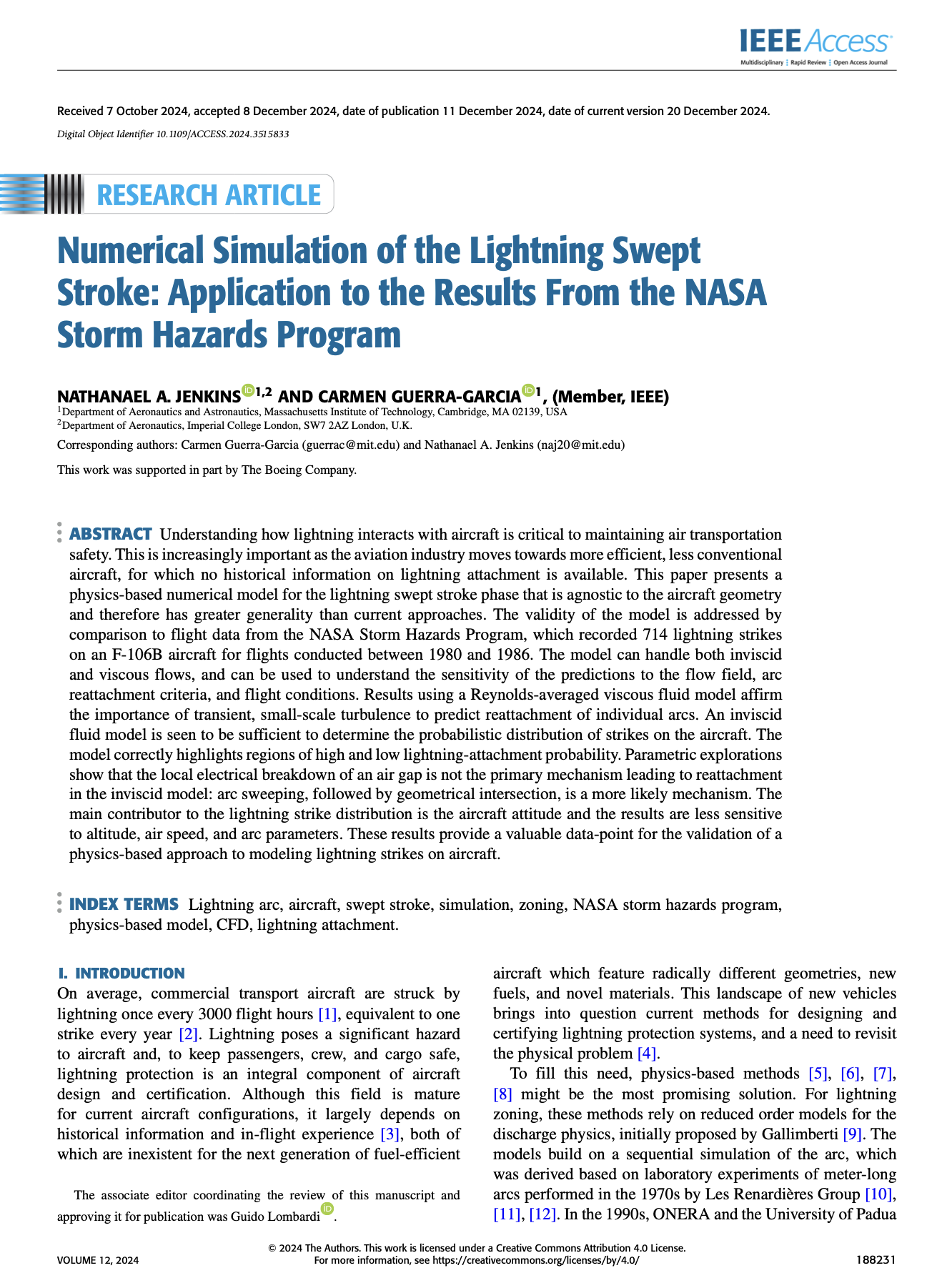
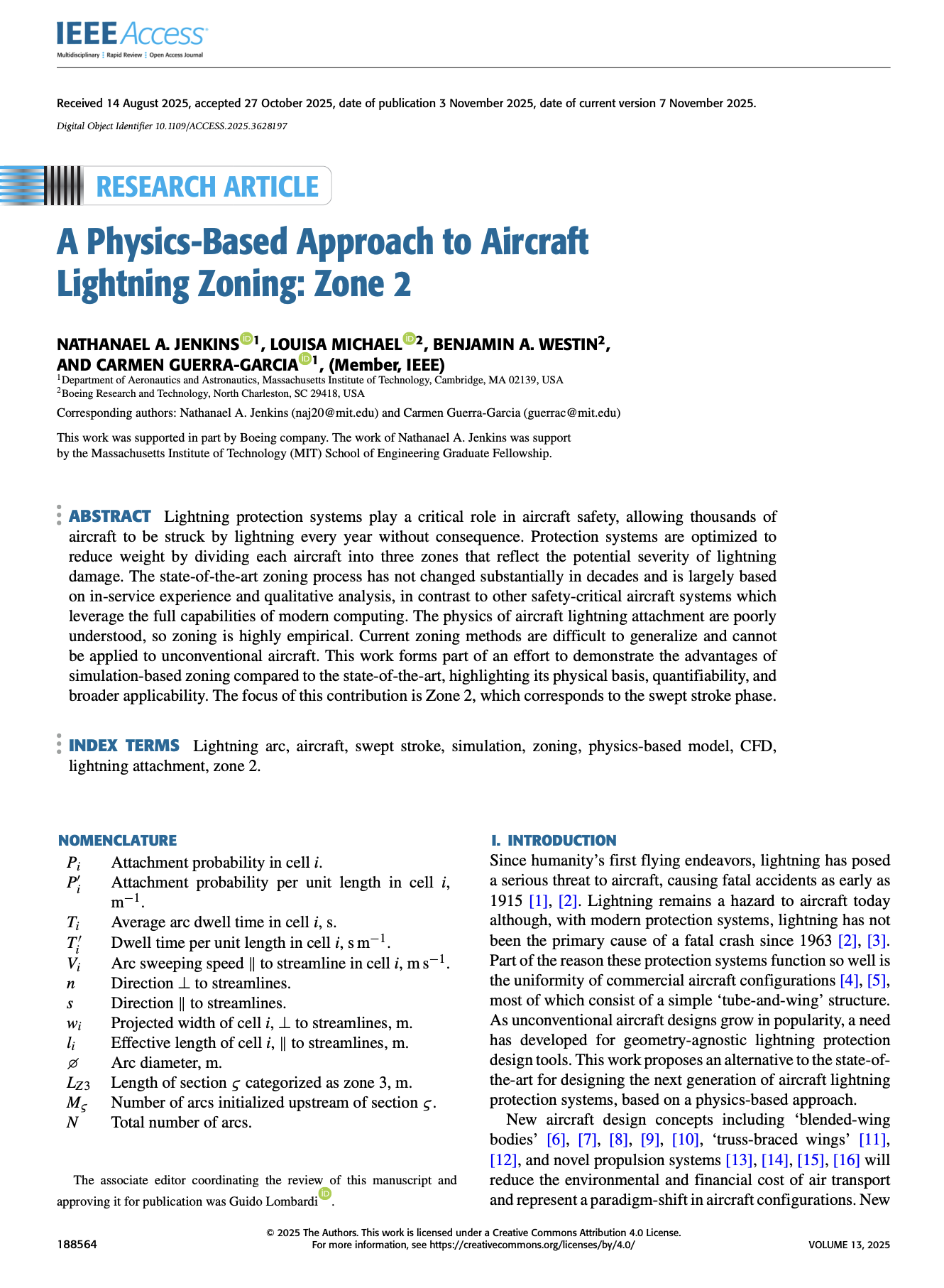
Numerical Simulation of the Lightning Swept Stroke for the Zoning of Unconventional Aircraft — thesis title page.Physical Interpretation of Swept Stroke Data — supplementary information.Numerical Simulation of the Lightning Swept Stroke: Application to the Results From the NASA Storm Hazards Program — article first page.A Physics-Based Approach to Aircraft Lightning Zoning: Zone 2 — article first page.

Development setup

Development setup: planning, implementation, and reviewPlanning: literature becomes reference documents, and my strategic prompts create backlog tasks. Implementation: I review tasks, launch agents in pi using the TDD skill and sometimes sub-agents, then review and push commits through a human approval gate. A pi session in a nono sandbox creates more backlog tasks and returns to my task review. Review: execute large test simulations and alternate with debugging until satisfied. Highlighted agentic tasks use the pi harness within a nono sandbox.PlanningImplementationReviewnono sandboxnono sandboxnono sandboxLiteraturePapers & physical modelspiReference docsLiterature → requirementsMy strategic promptsPlan & set prioritiespiBacklog tasksAcceptance criteriaMy task reviewRefine before launchpiLaunch agentsSometimes uses sub-agentsUse TDD skillpiCreate more backlog tasksnono sandboxReview & push commitsHuman approval gateTest simulationsExecute large test casespiDebuggingDiagnostics & fixes · nono sandboxIterate until satisfied

Skills in the workflow

Custom made

check-literature
Ground physics decisions
remote-exec
Profile remote GPUs
comment-only
Validate comment-only changes
figure-styling
Style figures

Made by others

ASD-STE100
Simplify technical writing
pretty-mermaid
Create diagrams
tdd
Test-first development
walkthrough
Explain actual implementation

Can it be trusted?

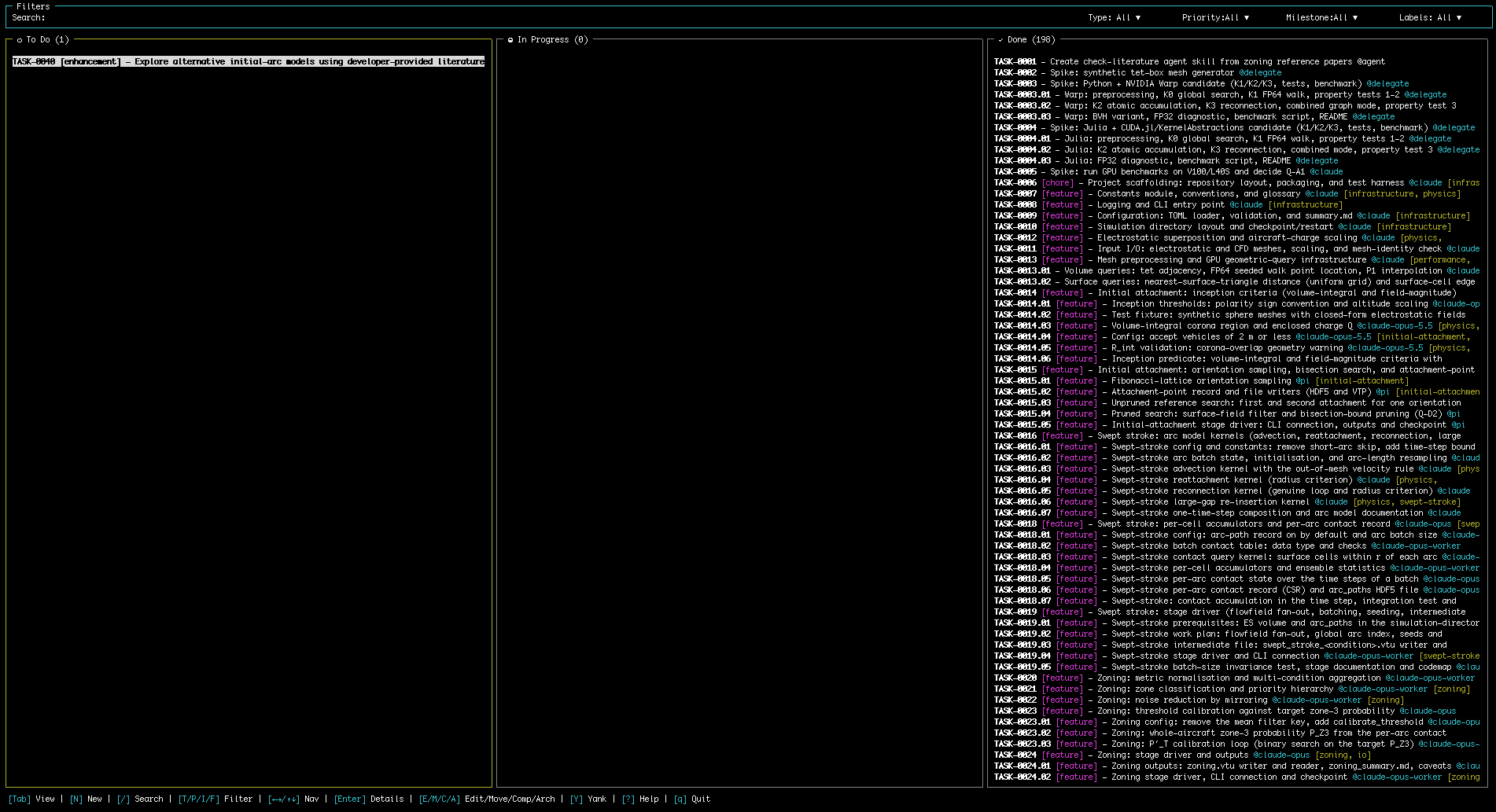
Top crop of the actual backlog.md kanban board: To Do, In Progress, and Done columns, showing the literature skill, GPU framework spikes, and implementation tasks.

The TDD skill checks behavior, but not physical validity.
V&V is completed by validating results.

AI-accelerated debugging

Missing polarity check
led to
spurious results

  • Inspect actual implementation with agent walkthroughs.
  • Add diagnostics and probe the core under supervision.
  • Correct the polarity calculation.

Throwaway code made more ideas testable

  1. 01

    Idea

    Adaptive cut-cell
    volume integration

  2. 02

    Test implementation

    Agent builds an
    isolated alternative

  3. 03

    Quick debug

    Fix loop unrolling;
    compilation < 2 s

  4. 04

    Evaluate and implement

    Still too slow to run.
    Throw away.

One recorded run

21.7 minutes · Conventional transport aircraft
Initial attachment 896.8 s Swept stroke 400.2 s Zone mapping · 4.1 s

12,000field orientations

5flow conditions

120,000arc trajectories

Approximately 2.8× faster than the pre-AI implementation.

Validating results

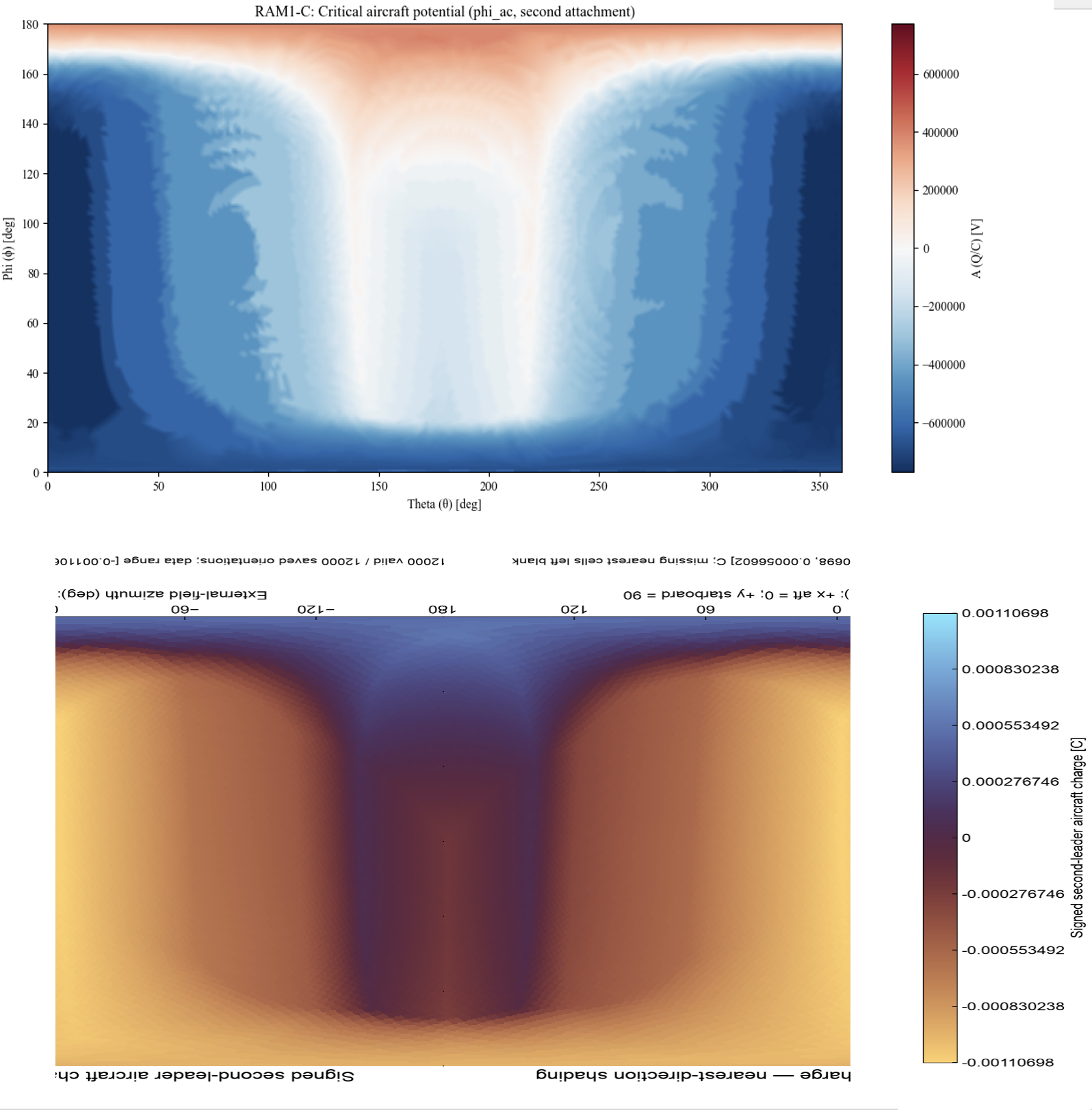
Working comparison of critical aircraft potential for second attachment: pre-AI implementation at top, new simulation at bottom. The original assembled plot formatting is preserved.
Pre-AINew simulation

Qualitative and
quantitative agreement
with the pre-AI code.

One pipeline. Many airframes.
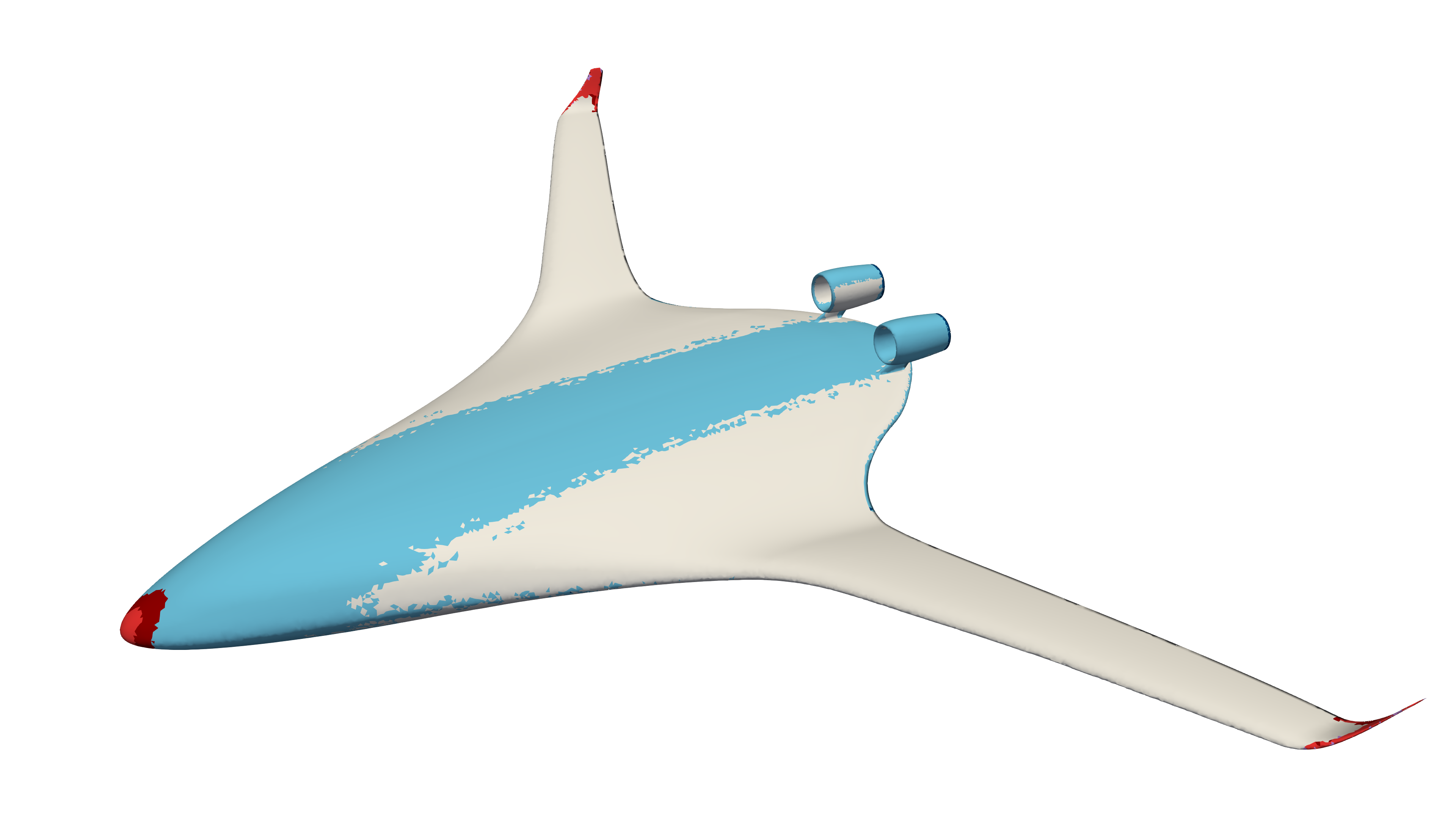
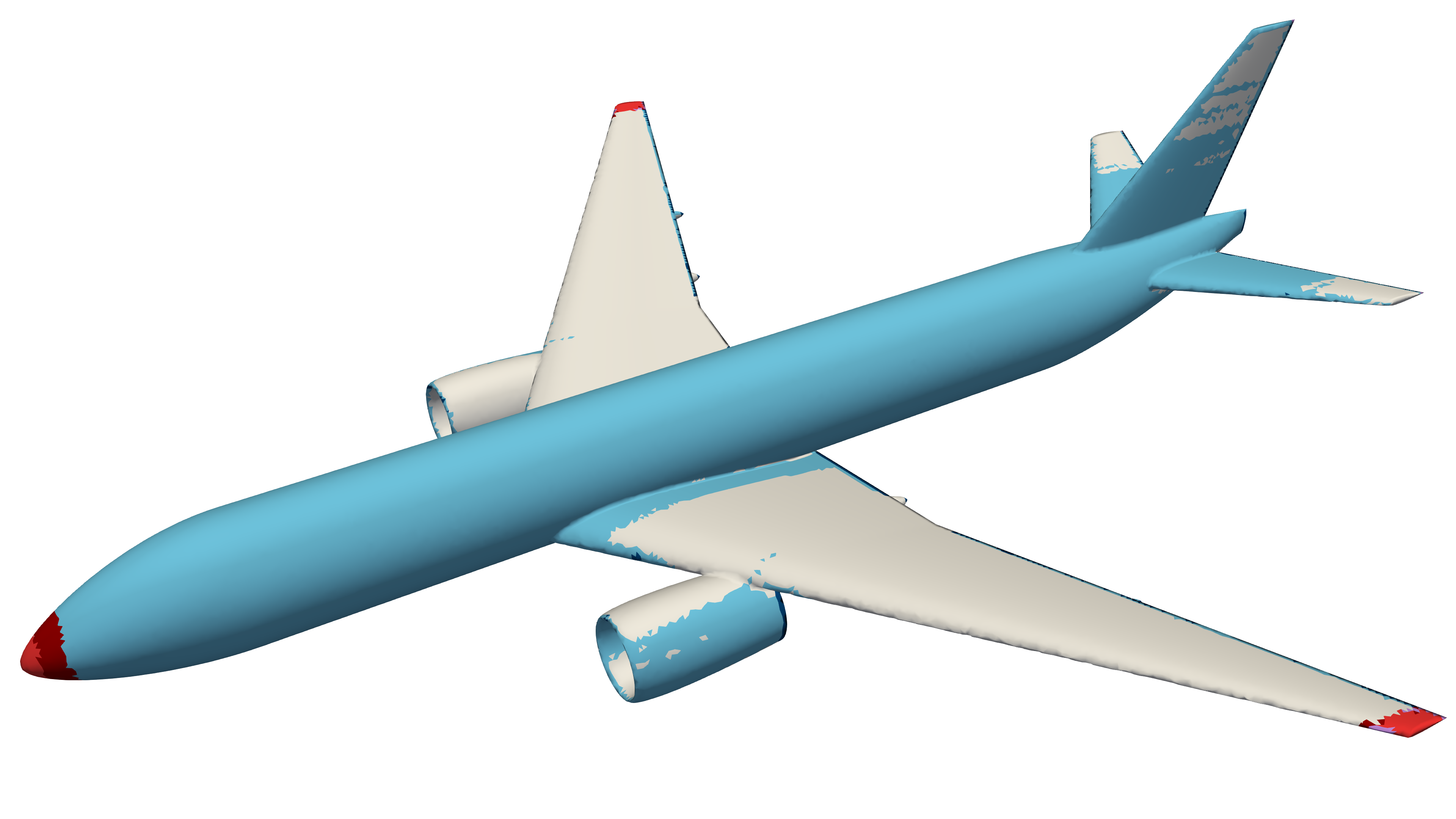
Key to the surface zoning colors.
Conventional transport aircraft surface zoning result.
Transport aircraft
Mid-size transport aircraft zoning result.
Mid-size transport
Blended-wing body zoning result.
Blended-wing body
Large transport aircraft zoning result.
Large transport
Truss-braced wing aircraft zoning result.
Truss-braced wing

Claude-generated geometries

Generated with Fable 5.2.

A220
Business jet

What the agents made possible

A complete research
pipeline—and the tools
to keep improving it.

  • Rapid GPU acceleration
  • Tests, diagnostics, and restartable stages
  • Rapid exploration of new numerical methods

Gains & costs

Old code3 years
With agents2–3 months

Better codebase · faster runs · more features

Agent credits

≈$323

Tokens used

Nearly 500M

Cost per token over time Cumulative average cost per million tokens falls from $2.10 on Oct 9 to $0.65 on Nov 17, 2026. Source: cost_per_token.csv. Cost per token · $ / 1M tokens $0 $1 $2 $2.10 $0.65 Oct 9Oct 26Nov 17 Cumulative average · 2026
Most of my time

Literature &
task instructions

Agent execution

Build & test

Substantial time

Evaluate, validate
& debug

One thing to adopt

Try making throwaway tools
that you would never
have attempted before...